







Search Results for: grind coarseness
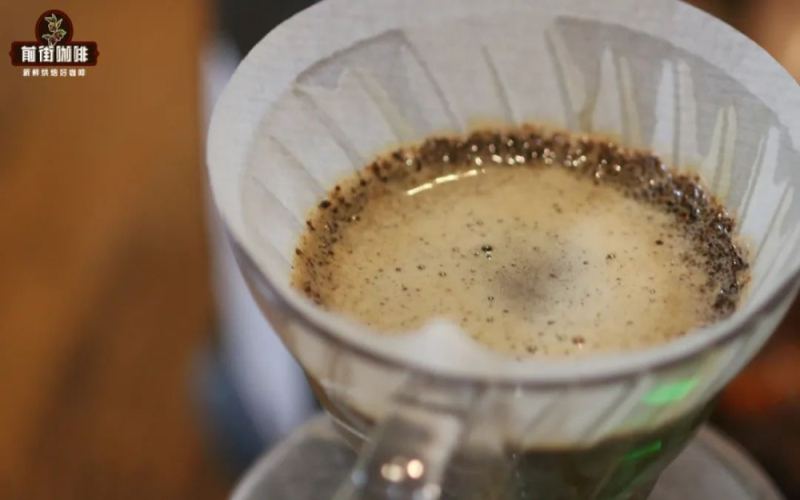
Pour-Over Coffee Grind Size 1-10 Explained: A Complete Guide to Coarseness Standards and Adjustment Methods
Grind size is the key variable that determines the success or failure of a cup of coffee's flavor. Facing the 1 to 10 settings on a grinder, which number actually represents the finest? And how should different brewing methods match grind coarseness? Starting from Front Street Coffee's hands-on experience, this article systematically sorts out the mechanisms by which grind size affects extraction efficiency, compares the grind standards for common brewing methods such as espresso, pour-over, siphon, and French press, and focuses on explaining grind recommendations for medium-light and medium-dark single-origin beans in pour-over scenarios, water temperature pairing, and how to use a 0.85mm No. 20 sieve to precisely calibrate grind size, helping coffee enthusiasts establish clear adjustment logic. [more…]

Coffee Bean Grind Setting 1 to 10 Coarseness Guide | Pour-Over Coffee Grind Standards and Adjustment Methods Reference
Grind size directly determines the extraction direction of a cup of coffee: too fine a grind easily leads to over-extraction and bitterness, while too coarse a grind may result in under-extraction and a weak, bland flavor. Many grinders on the market mark their settings from 1 to 10, but the corresponding coarseness varies across different models. A smaller number usually means a finer grind, but in practice, you need to judge based on your brewing method. Drawing on the hands-on experience of Front Street Coffee, this article sorts out the grinding ranges for common brewing methods such as espresso, pour-over, siphon, and French press, explains whether medium-light roast and medium-dark roast coffee beans are better suited to a medium-fine or medium-coarse grind for pour-over, and provides specific steps for using a 0.85mm No. 20 sieve to check the passing rate, helping coffee enthusiasts find the right grinding parameters. [more…]
How Coffee Grind Size Affects Extraction and Flavor: A Comprehensive Analysis from Extraction Yield to Bitterness Control
The coarseness of coffee grounds directly determines the resistance and contact area when hot water passes through the coffee bed, which in turn affects the flavor direction of the final cup. A short extraction time requires finer particles to increase surface area; a longer time requires larger particles to avoid over-extraction. Grind size and extraction time need to form a proportional relationship to balance acidity, sweetness, and bitterness. Light and dark roasts also have different requirements for grind size: light roasts favor slightly finer grinds, while dark roasts favor slightly coarser ones. In addition, coarseness is also a key lever for controlling bitterness: too fine and all the astringent, bitter compounds are released; too coarse and the sweet aromatics remain trapped in the grounds. This article will systematically review how grind size affects extraction yield, flavor, and equipment compatibility, and offer practical directions for adjustment. [more…]
How to Interpret Coffee Grind Settings from 1-10? A Detailed Guide to EK43 Grinder Calibration and Pour-Over Coarseness Selection
Grind size has a decisive influence on the final flavor of a cup of coffee: if the grounds are too fine, over-extraction is likely; if too coarse, under-extraction may occur. Faced with the 1-to-10 settings on a grinder, many coffee enthusiasts don't know how the numbers correspond to coarseness, nor are they clear about what grind level to choose for different brewing methods. Drawing on the practical experience of Front Street Coffee, this article systematically sorts out the standards for coffee grind size, the appropriate grind levels for common brewing methods, and the reference values for the EK43 grinder. It also explains in detail how to use a 0.85mm No. 20 sieve for sieve verification, helping you accurately judge and adjust grind size at home, so that every cup of coffee can consistently present its ideal flavor. [more…]
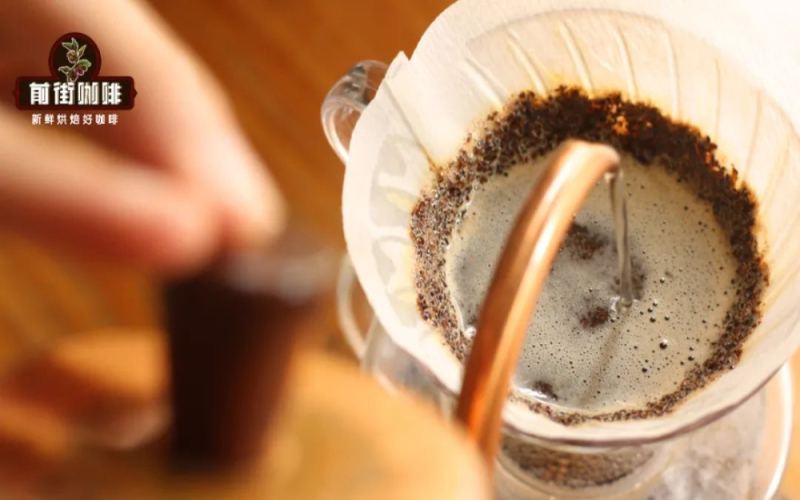
Fine Grind Fast Pour vs. Coarse Grind Slow Pour: Flavor Differences and Practical Comparison of Two Pour-Over Schools
In the world of pour-over coffee, beyond the common brewing schools, two opposing approaches have emerged, divided by grind size and brew time: fine grind fast brew and coarse grind slow brew. Both are based on the same extraction principles, yet they deliver entirely different drinking experiences. This article will analyze the theory behind these two approaches from the perspectives of surface area, water flow rate, and dripper pairing, and conduct a practical comparison using the same medium-roast Papua New Guinea · Bird of Paradise beans, using a V60 and a Kono dripper, the same coffee-to-water ratio and water temperature, to observe the specific flavor differences between fine grind fast brew and coarse grind slow brew, helping coffee enthusiasts understand how to choose the right brewing strategy based on grind size. [more…]
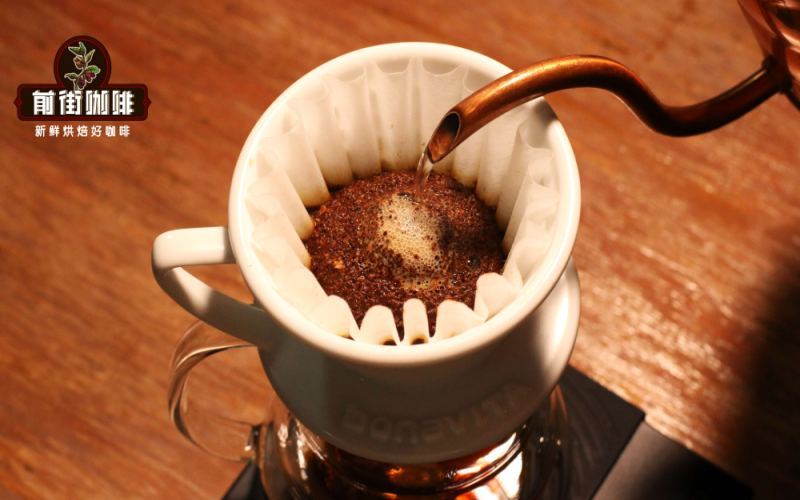
Pour-Over Coffee and Espresso Grind Size Explained: Coarseness Standards, Sieve Pass Rates, and the Science Behind Moka Pot Crema
Grind particle size is one of the key variables that determines the direction of coffee flavor. Starting from the practices of Front Street Coffee, this article systematically reviews the influence of grind size on extraction efficiency in pour-over coffee, the grind standards suited to medium-light and medium-dark roasts respectively, and how to use a 0.85mm No. 20 sieve to test the pass-through rate. It also extends to the extremely fine grind requirements of espresso, explains the effect of the grinder burr spacing on extraction time, and provides the specific extraction parameters and flavor description of Front Street espresso. In addition, the article also explains the relationship between the choice of Moka pot coffee grounds coarseness and the oils it produces, helping coffee enthusiasts find a grind plan suitable for their own equipment at home. [more…]

How to Fix Coffee Grounds That Are Too Coarse? Sharing Honey Queen 8.0 Pour-Over Parameter Adjustments and Practical Tips
When brewing coffee, the grind size directly determines the surface area where water meets the coffee and the speed at which hot water passes through, and even a slight deviation can ruin the entire cup's flavor. If a moment of carelessness leaves the beans ground too coarse, how can you salvage the situation? This article compiles several practical remedies—from re-grinding to flexible adjustments of water temperature and time—and, using Guji Huakui 8.0 as an example, provides complete parameters and steps to still brew a clean, full-bodied cup even after the grind has come out coarse. Whether you use a hand grinder or rely on pre-ground coffee from a vendor, you can find a corresponding adjustment plan to bring each cup as close to ideal as possible. [more…]
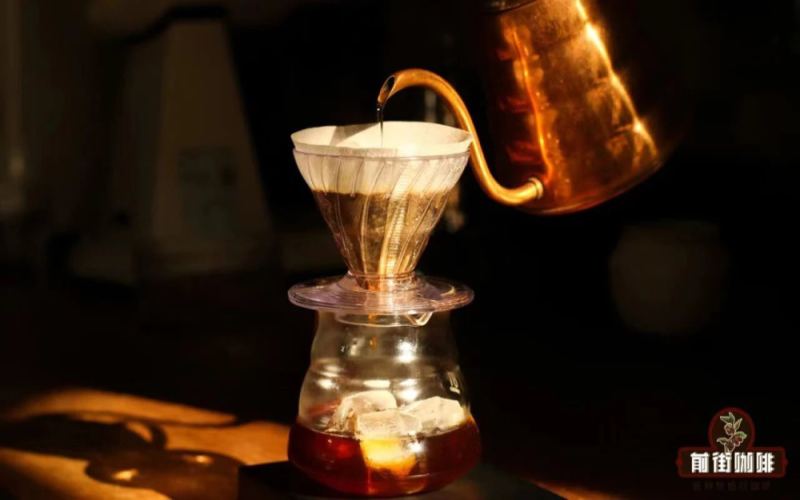
Pour-over black coffee grind size | Does the grind coarseness standard for pour-over coffee beans greatly affect coffee flavor? What flavor manifestations occur when coffee grounds are too coarse or too fine?
For more specialty coffee knowledge, please follow: Front Street Coffee (Frontsteet Coffee). In coffee, the coarseness of the grind directly affects the contact area between coffee and water as well as the extraction time, and it will directly affect the taste of the coffee. But at the same time, the coffee grind size is also what gives many people the biggest headache. [more…]
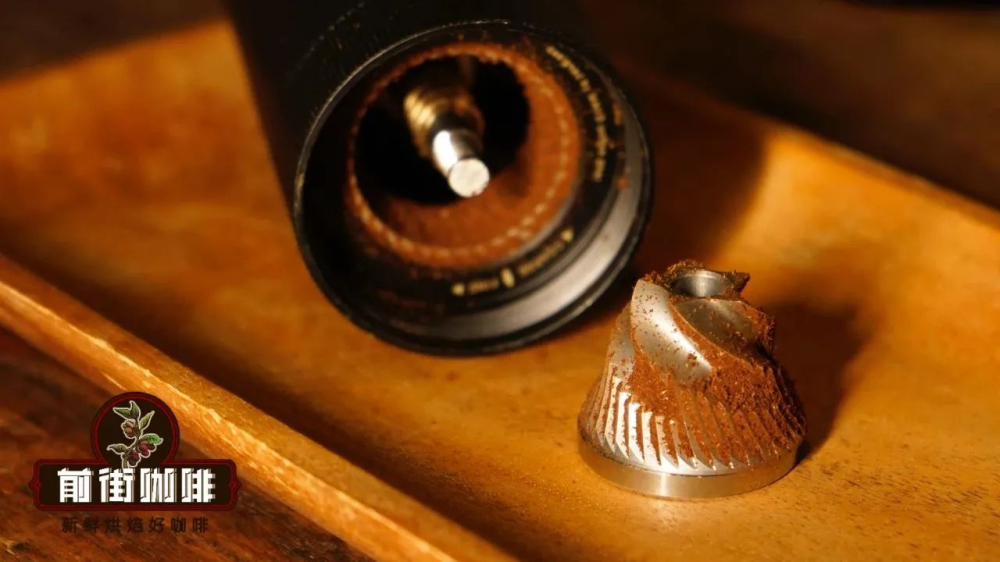
Coffee Grind Size Parameter Adjustment Tutorial | How to Judge Coffee Ground Coarseness? What Coffee Bean Grind Size Is Suitable for Pour-Over Coffee and Espresso?
Grinding is crucial to coffee extraction—one could say that the coarseness of the coffee grind directly affects the flavor of a cup of coffee. And for different extraction methods, the coffee grind size also needs to be adjusted. The coarseness of the coffee grind directly affects the length of extraction time and the level of extraction yield. Coffee grind [more…]
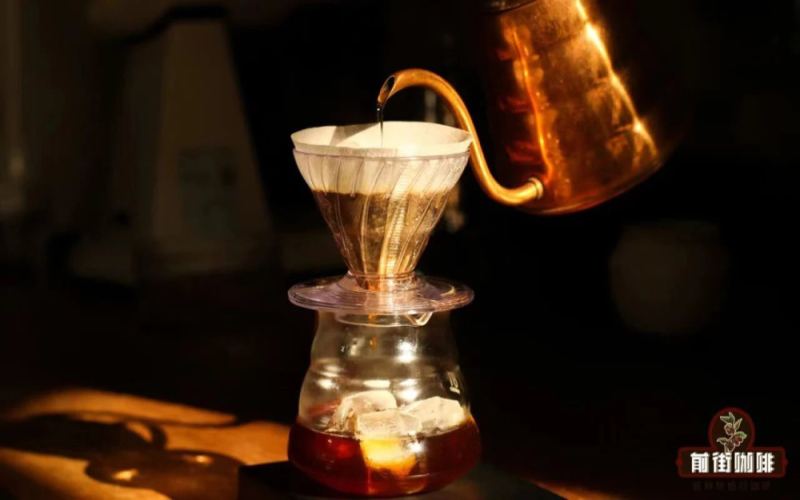
A Complete Analysis of Coffee Grind Size and Extraction: A Practical Guide from Resting to Sieve Correction
The coarseness of coffee grounds directly determines the contact area between water and coffee and the extraction time, which in turn affects the final taste. But grind size is also the most headache-inducing step for many enthusiasts. Starting from Front Street's practical experience, this article systematically explains how to determine the resting time based on the roast date, the actual impact of grind coarseness on flavor, and how to calibrate the grind size for different brewing methods using a No. 20 sieve. The article also compiles the suitable equipment for five particle sizes, from extra-fine to coarse, helping you roughly judge the grinding direction even without a professional sieve and find the grinding parameters that suit your own taste. [more…]
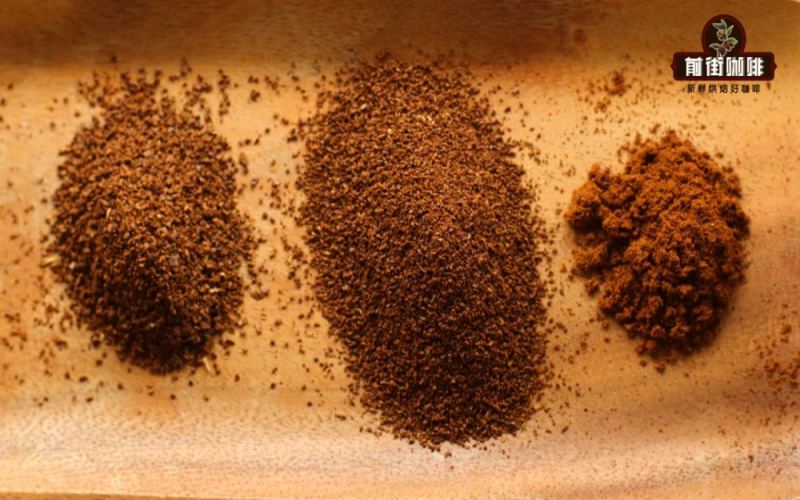
The Complete Guide to Coffee Grind Sizes: From Turkish Extra-Fine to French Press Coarse
The choice of coffee grind size directly determines the success or failure of a cup of coffee. From the ultra-fine powder for Turkish coffee to the coarse particles needed for a French press, every brewing device has its corresponding grind standard. The finer the grind, the higher the extraction rate and the slower the water flow; the coarser the grind, the opposite. There are assembly tolerances between different grinders, so even the same setting may not produce coffee grounds of the same coarseness. This article systematically sorts out eight grind levels from finest to coarsest, matching them one by one with devices such as espresso machines, AeroPress, siphon brewers, pour-over, moka pots, cold brew, and French presses, and combines Front Street Coffee's brewing examples to help coffee lovers find a grind plan that suits them. [more…]
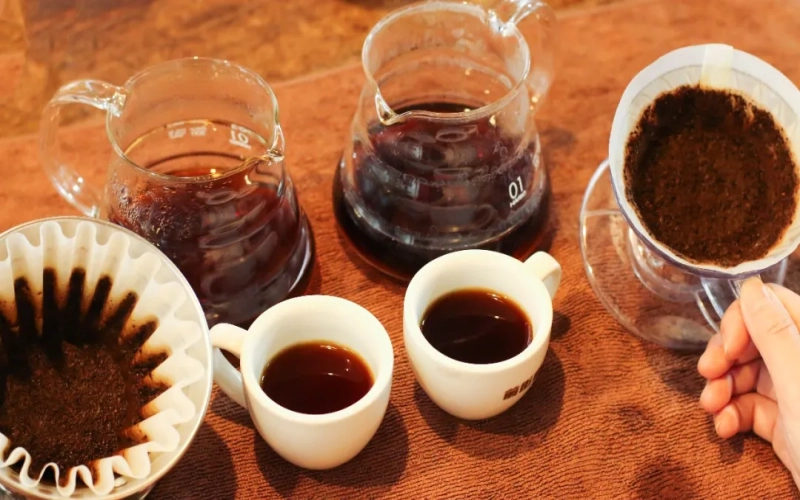
How Does Fine Grind Fast Extraction Differ from Coarse Grind Slow Extraction? A Full Analysis of Pour-Over Parameters and Flavor Differences
Among the many variables that affect extraction results, the combination of grind size and extraction time has long been a subject of debate. This article compares two approaches—"fine grind, fast brew" and "coarse grind, slow brew"—analyzing their differences in flavor complexity, body, and balance. Drawing on the actual brewing parameters for Front Street Ethiopia Huakui, it demonstrates the procedures for fine grind with a short time and coarse grind with a long time, helping coffee enthusiasts understand the applicable scenarios and room for adjustment for each approach. [more…]
How Does Grind Size Shape Coffee Flavor? A Guide to Dialing In Grind for Pour-Over, French Press, Cold Brew, and Espresso
Whether a cup of coffee is light or bitter is often foreshadowed the moment the beans are ground. The coarseness of the coffee particles directly determines the release rate of soluble flavor compounds—it must fully extract the pleasant aromas and sweet-tart notes while avoiding the emergence of bitter, off-flavors. This article focuses on four common extraction methods—pour-over, French press, cold brew drip, and espresso—explaining the suitable grind range for each, and introduces how to calibrate grind size with a No. 20 standard sieve (0.85mm aperture), so that every bean can find the right brewing coarseness. The article also retains Front Street Coffee's empirical parameters from actual cupping and in-store dialing, for coffee enthusiasts to use as a reference. [more…]
How Coffee Grind Size Determines Flavor Expression: A Complete Guide from Resting Beans to Sieve Calibration
How coarse or fine you grind your coffee directly affects the contact area between water and coffee particles and the extraction time, and it is also a key variable that determines whether a cup of coffee tastes good or not. But grind size is precisely the part that many enthusiasts are least sure about. Starting from Front Street Coffee's practical experience, this article first explains the prerequisite effects of fresh roasting and bean resting on grinding results, then analyzes the different flavor directions of fine and coarse grounds, and afterward gives a specific method for calibrating the pass rate with a 0.85mm cupping sieve. It also lists reference ranges for light, medium, and dark roast beans, and finally includes a practical summary for judging coarseness by brewing device when you do not buy a sieve. [more…]
A Complete Guide to Coffee Grind Size: Seven Grind Levels, Their Brewing Methods, and Flavor Differences
The coarseness of coffee grinding directly affects the efficiency of extraction and the final flavor performance, making it one of the key variables that determine whether a cup of coffee is good or bad. From extremely coarse cold brew grinding to Turkish grinding as fine as flour, seven different particle sizes each correspond to the most suitable brewing equipment and methods. This article systematically sorts out the appearance characteristics of each grind size, the applicable scenarios, and why grinding fresh at home preserves flavor better than buying pre-ground coffee powder. It will also explain the taste problems that may arise from improper grind size selection, helping you quickly find the appropriate grinding parameters based on the equipment you have on hand, so that every cup of coffee can present the ideal layering of flavor. [more…]
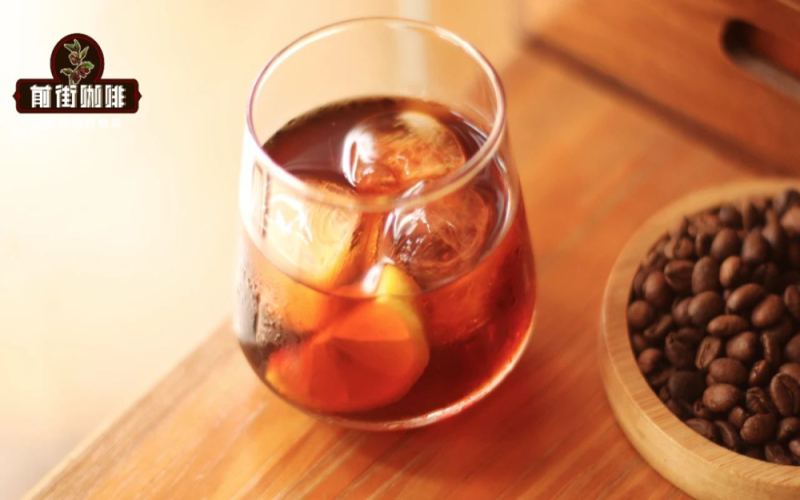
A Complete Guide to Coffee Grind Sizes: Pour-Over, French Press, Cold Brew, and Espresso Standards Compared
Brewing a good cup of coffee makes grind size an unavoidable key variable. If the particles are too coarse, flavor extraction is insufficient; if ground too fine, it easily brings out bitter and off-flavors. But just how coarse counts as coarse, and how fine counts as fine? And how should you convert between different brewing devices? This article uses the industry-recognized cupping standard as its baseline and the No. 20 sieve pass-through rate as a unified ruler, providing reference grind ranges one by one for French press, pour-over, cold brew drip, and espresso machines, explaining how roast level and bean density affect grinding results, and finally including Front Street Coffee's approach to dialing in espresso extraction, helping you turn grind size from "guesswork" into "data." [more…]
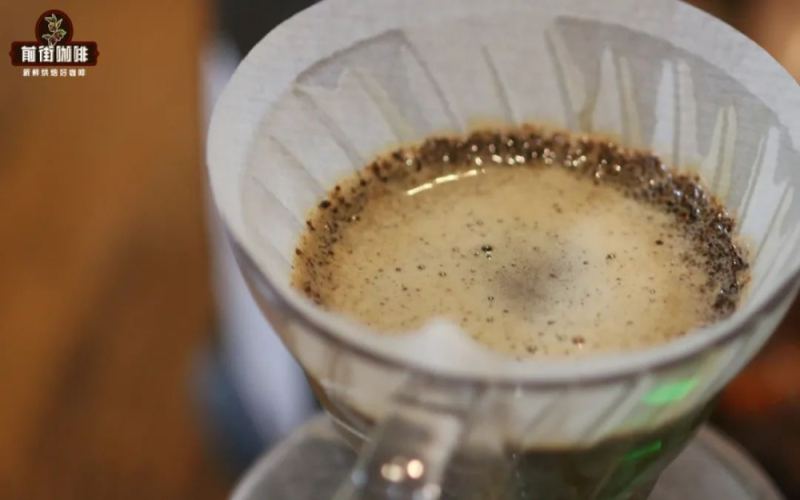
Coffee Bean Grinding | Which Coffee Grind Is Finest on a Grinder Scale from 1 to 10? How Do You Adjust the Grind Size for Pour-Over Coffee? Reference Guide to Coffee Grind Size Standards
Which grind size from 1 to 10 is the finest for coffee beans? In most cases, the smaller the number, the finer the grounds. The grind size of coffee beans plays an important role in extracting a cup of coffee. For example, if the coffee grounds are too fine and used for pour-over coffee, it will result in over-extraction, while if they are too coarse, it will result in under-extraction. Secondly, factors such as the beans from each producing region [more…]
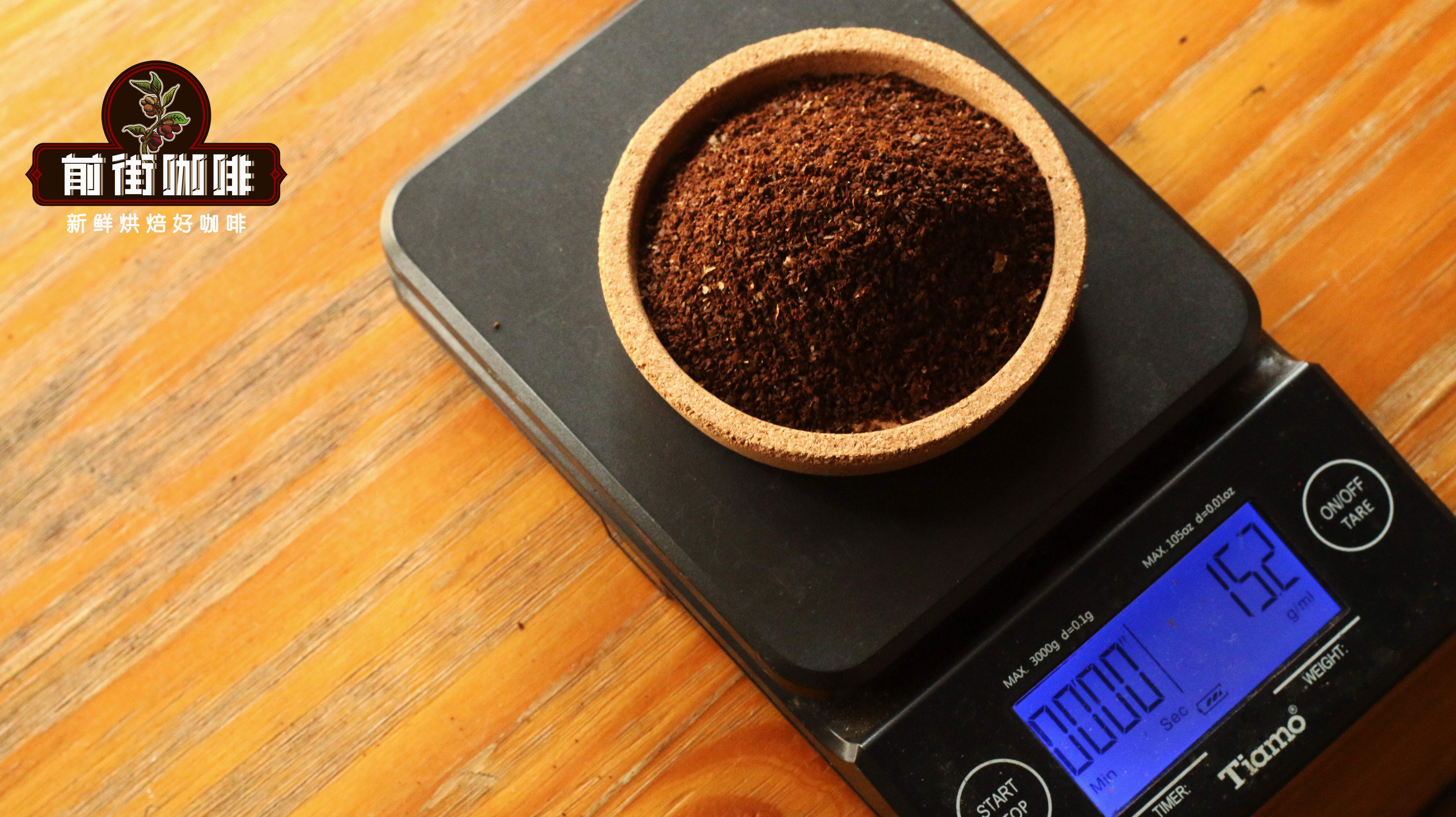
A Detailed Guide to Manual Coffee Grinder Adjustment Methods and Pour-Over Coffee Grind Size Standards
The first step in pour-over coffee often begins with grinding, and manual coffee grinders have become the choice of many enthusiasts due to their cost-effectiveness. But how should a manual grinder be used correctly? And to what degree should the coarseness be adjusted to be appropriate? In this article, Front Street Coffee will systematically explain the structural components, adjustment steps, and operating methods of a manual coffee grinder, and share how to use a 0.80mm standard sieve to determine whether the grind size for pour-over coffee is appropriate. At the same time, it will also sort out the grind coarseness patterns corresponding to different brewing methods, as well as the effects of key parameters such as the coffee-to-water ratio, water temperature, and extraction time on flavor. Finally, using Panama Diamond Mountain coffee beans as an example, it will fully demonstrate a three-pour pour-over process to help readers master the coordination between grinding and brewing in practice. [more…]
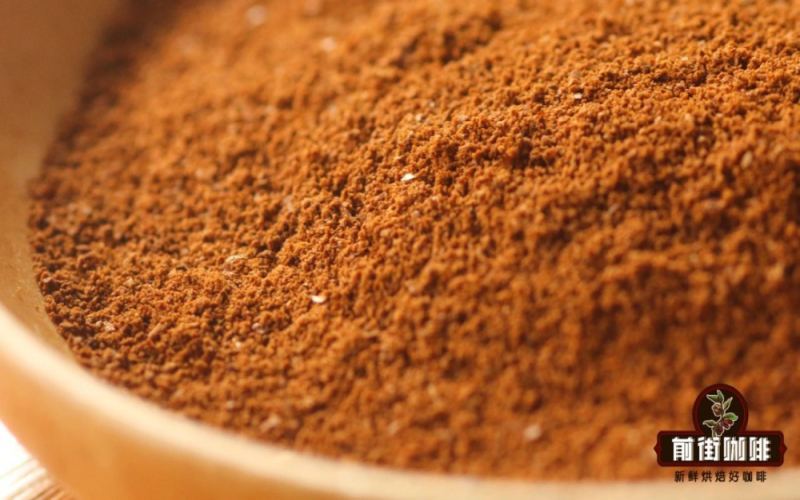
How Fine Should Cold Brew Coffee Grounds Be? An Analysis of How Coarse and Fine Grinds Affect Extraction Strength
When making cold brew coffee, should the grind size be coarse or fine? Many enthusiasts habitually assume that grinding finer will increase the concentration, but in a low-temperature, still-steeping extraction environment, this logic does not necessarily hold. Through practical experiments, Front Street used the same Yirgacheffe beans, the same coffee-to-water ratio, and the same steeping time to make cold brew with fine and coarse grinds respectively, testing the concentration and tasting the flavor differences. The results showed that the coarse grind actually had a slightly higher TDS, and its flavor performance was also brighter and sweeter. This article will explain this phenomenon from the perspectives of water temperature and particle movement, and provide grinding recommendations and applicable conditions for making cold brew coffee, helping you make a cup of cold brew with excellent concentration and flavor. [more…]
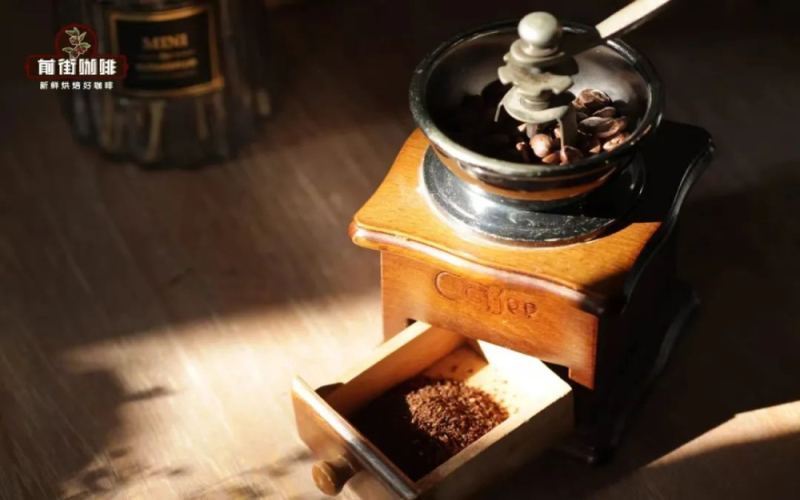
Coffee Grind Size Analogy Guide: Particle Size Correspondence Between Caster Sugar, Coarse Sugar, Sea Salt, Fine Salt, and Flour
There is no unified quantitative standard for coffee grinding, so enthusiasts often use everyday ingredients as analogies to quickly convey the concept of particle size. Common reference points like fine granulated sugar, coarse granulated sugar, sea salt, fine salt, and flour each correspond to different brewing methods and roast levels. This article goes through the particle size characteristics and suitable scenarios for each of these analogous grinds one by one: fine granulated sugar is mostly used for light-roast pour-over, coarse granulated sugar suits medium-dark roast beans, sea salt-like texture is suitable for immersion extraction methods like the French press, fine salt-like texture serves the fast-paced extraction of the moka pot, and flour-like texture is divided into two categories: espresso and Turkish coffee. The grind size described by each analogy is a range, not a single fixed value, and understanding this point helps with more flexible grind adjustment. [more…]